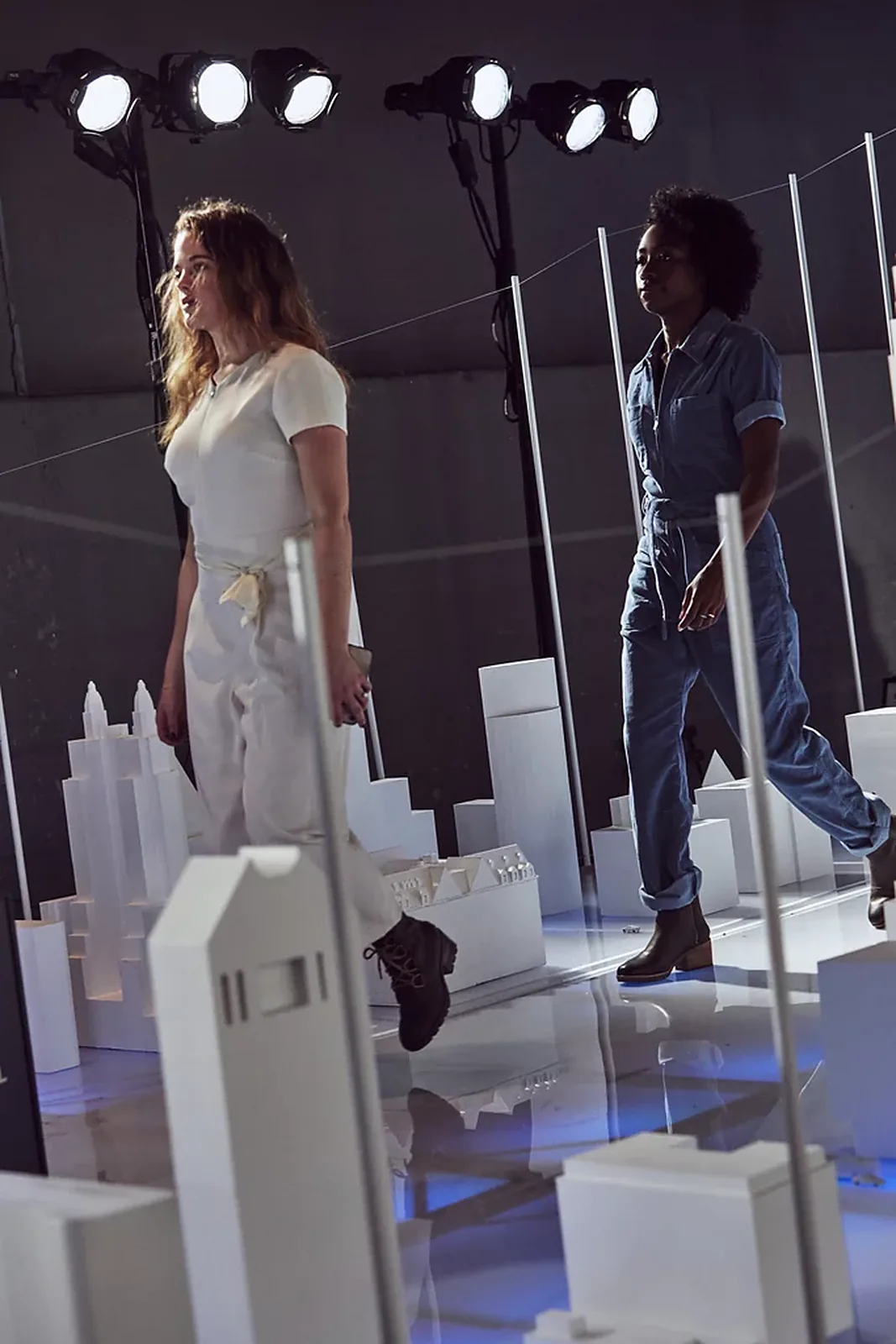
Mile Long Runway
WITH: Tenure · Sorel
Rapid-production miniature architecture for Sorel's High Line runway
“We said absolutely. In reality, with our existing fleet, the answer was a hard no.”
- Brief
- A continuous miniature white city for the world's longest fashion show runway
- Constraint
- Ten days. My fleet couldn't do it.
- The move
- New lease, 20 more printers, four hires — overnight
- Result
- City + interactive smart building, live for the show
Section 01 · Day 0
The ask
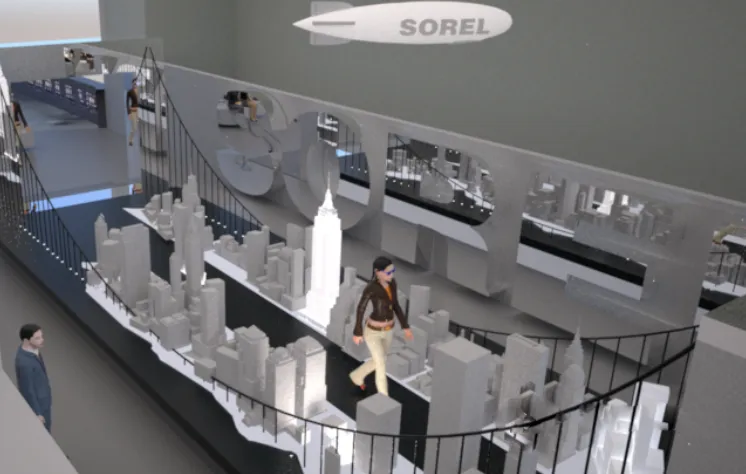
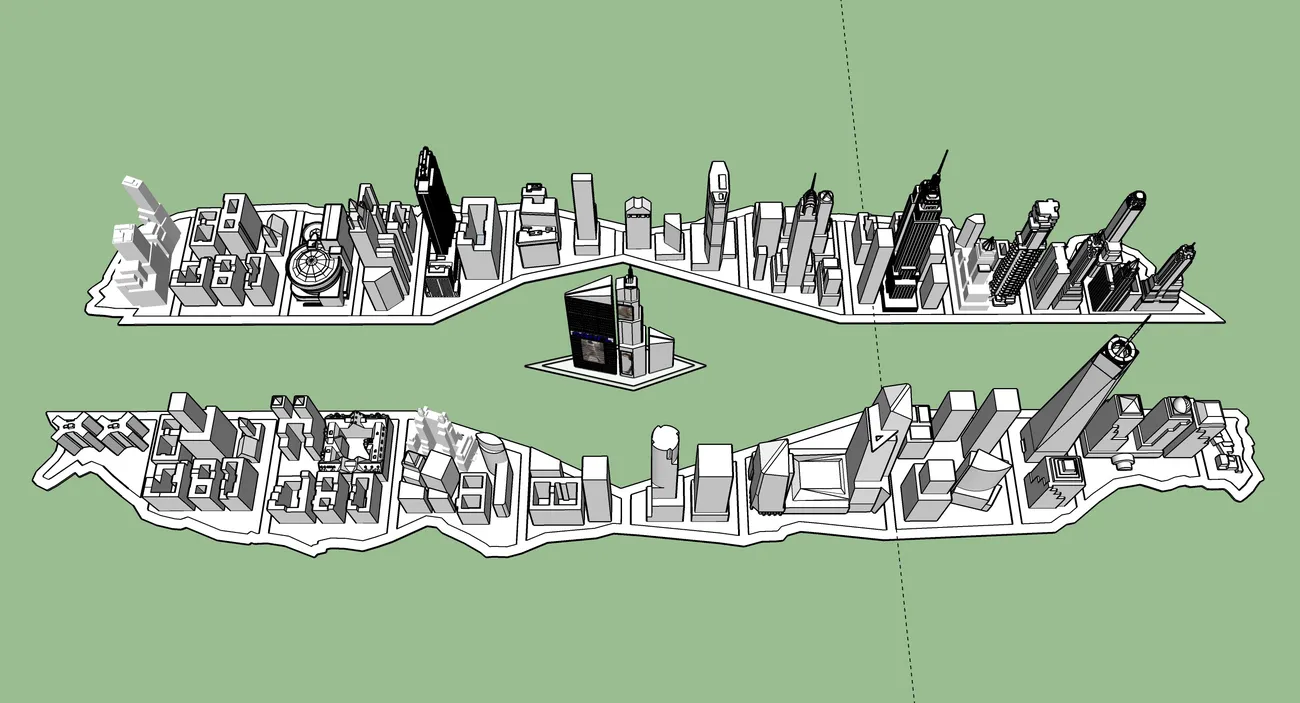
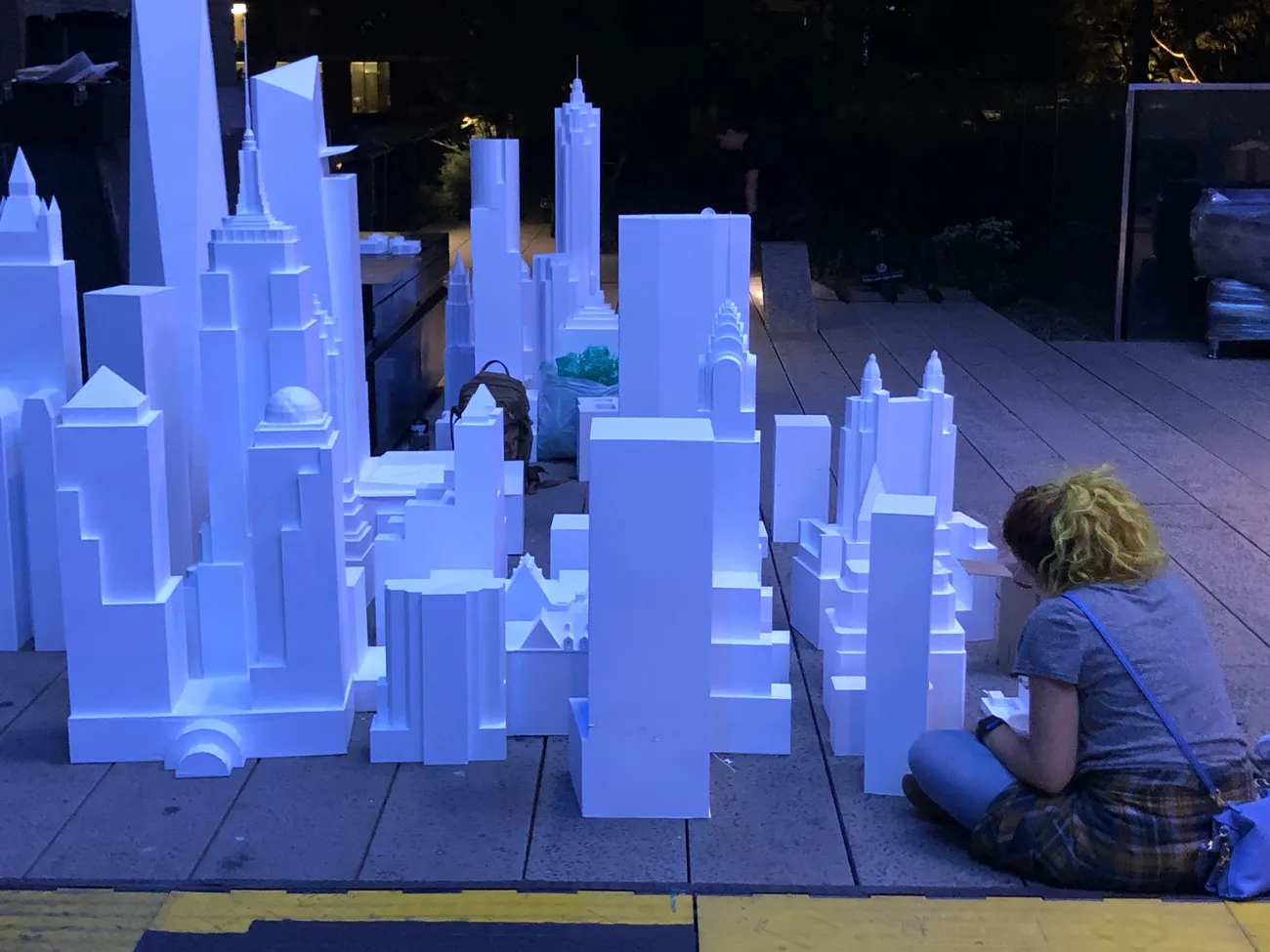
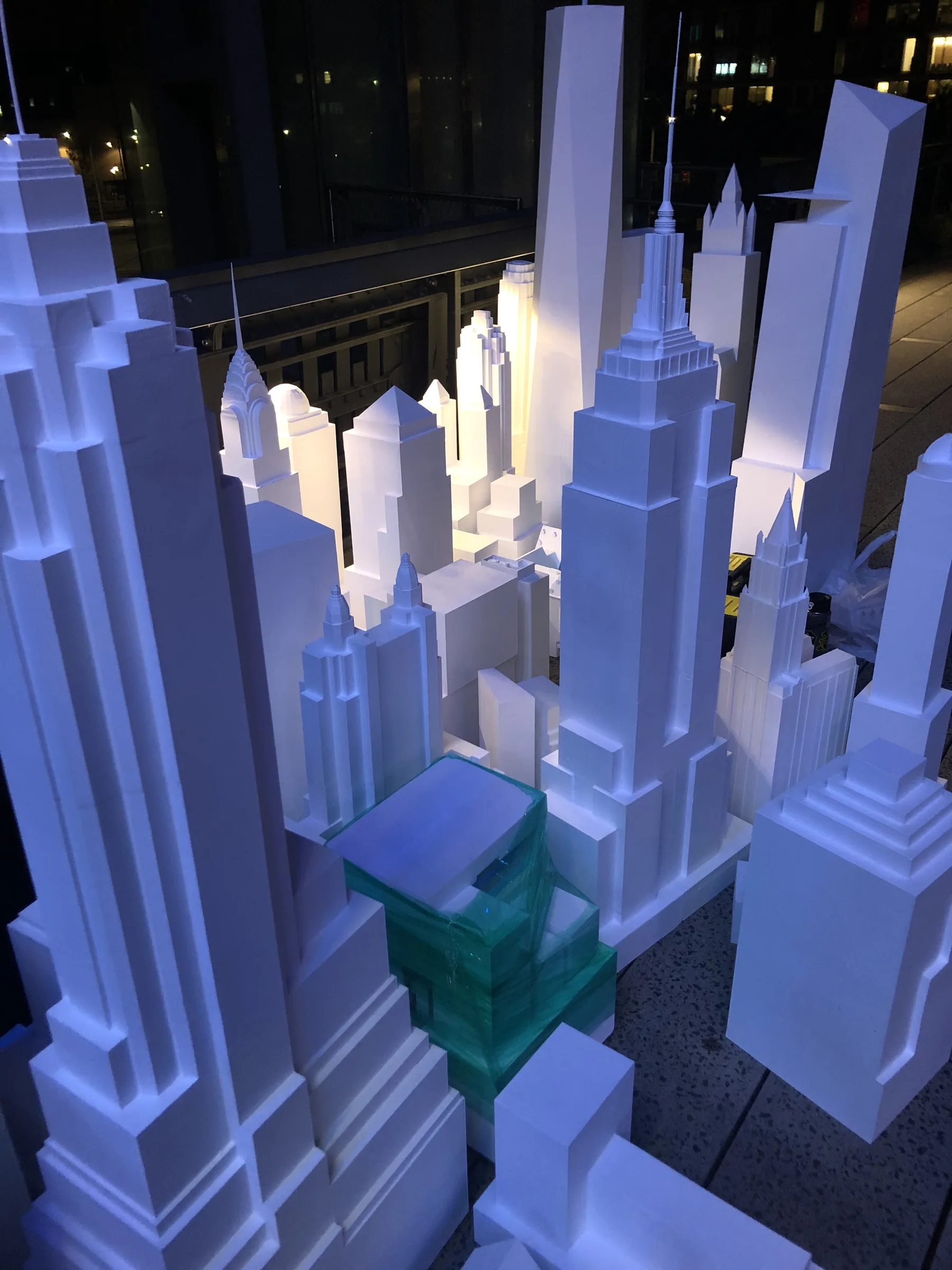
For New York Fashion Week, Sorel staged the world's longest fashion show runway along the High Line: a continuous miniature white city the models would move through, produced at prop scale, delivered clean.
This was my first project with Tom and Tenure. They'd developed the creative direction and a SketchUp model with every building the installation needed, but conventional fabrication had run out of time. Tom reached out to see whether additive manufacturing was a viable path.
Section 02 · Day 1
Going all in
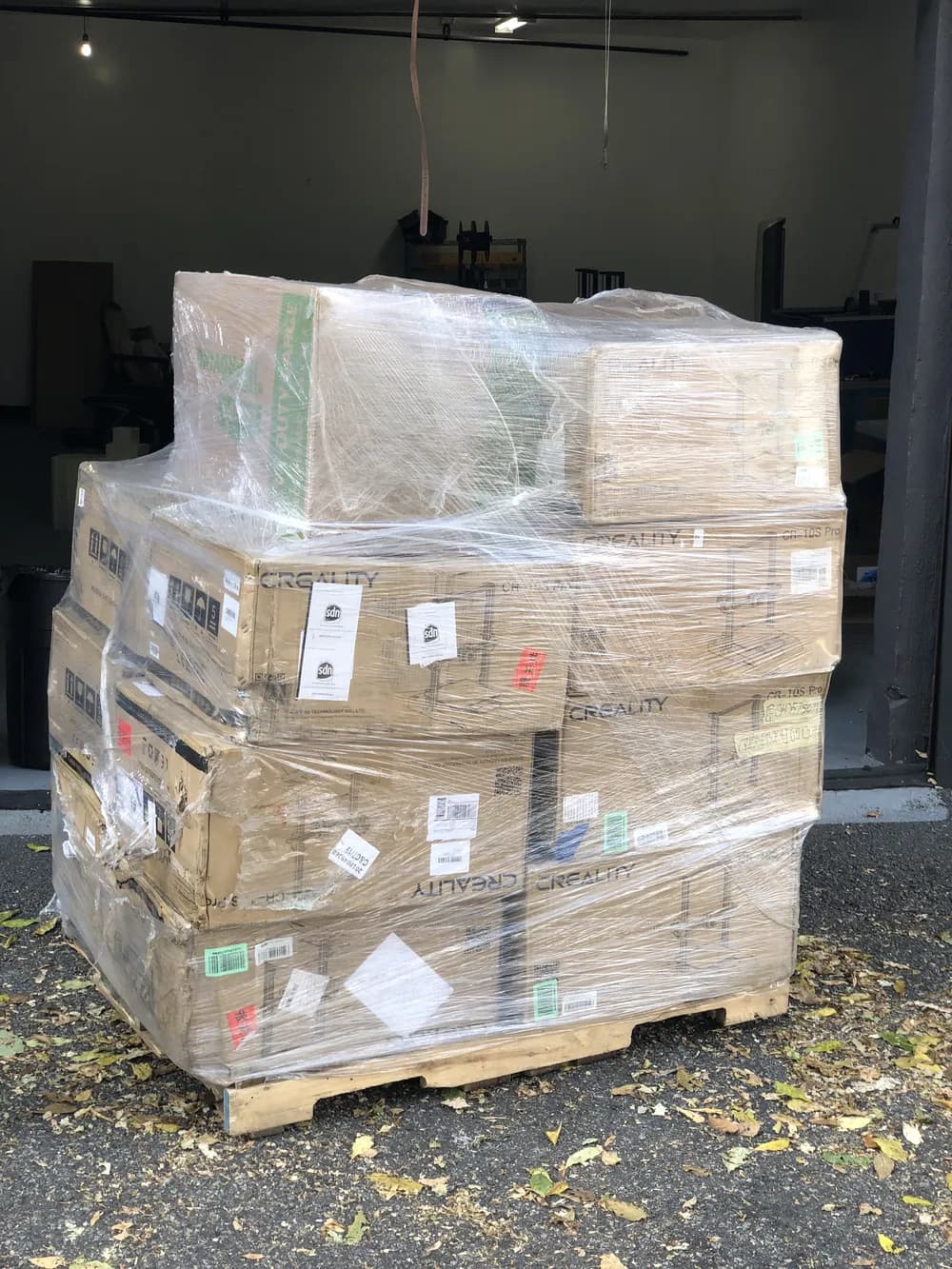
I reviewed the model, broke down how the architecture could be divided and produced, and committed to building the capacity the project required. My fleet wasn't large enough, so the next day I leased the bigger unit downstairs and bought 20 printers at a discount from Amazon returns. Four new hires, a distributed print plan, and the buildings started coming off the machines around the clock.
Section 03 · Days 2–7
The print plan that kept moving
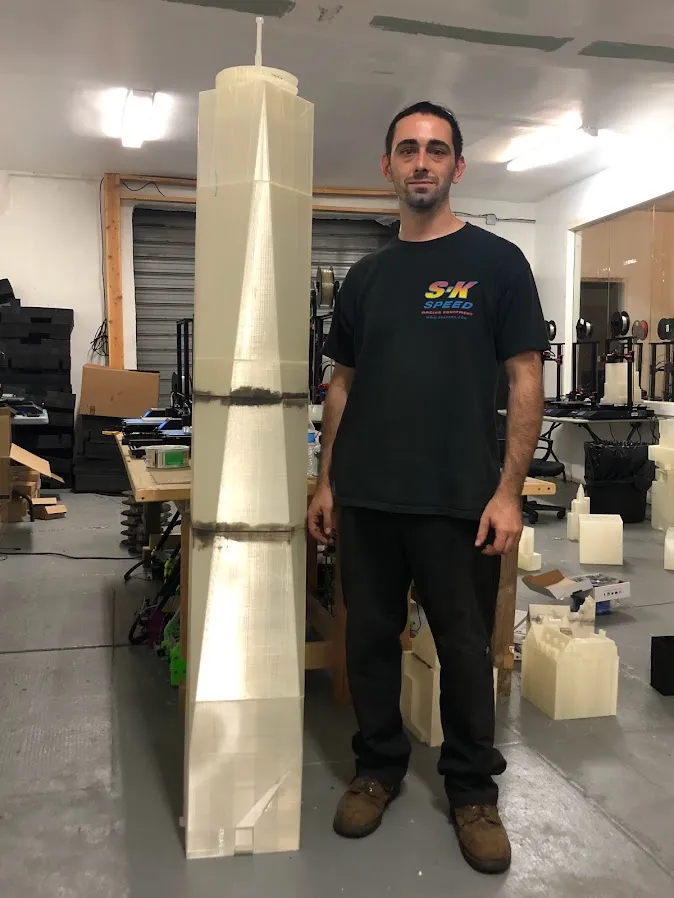
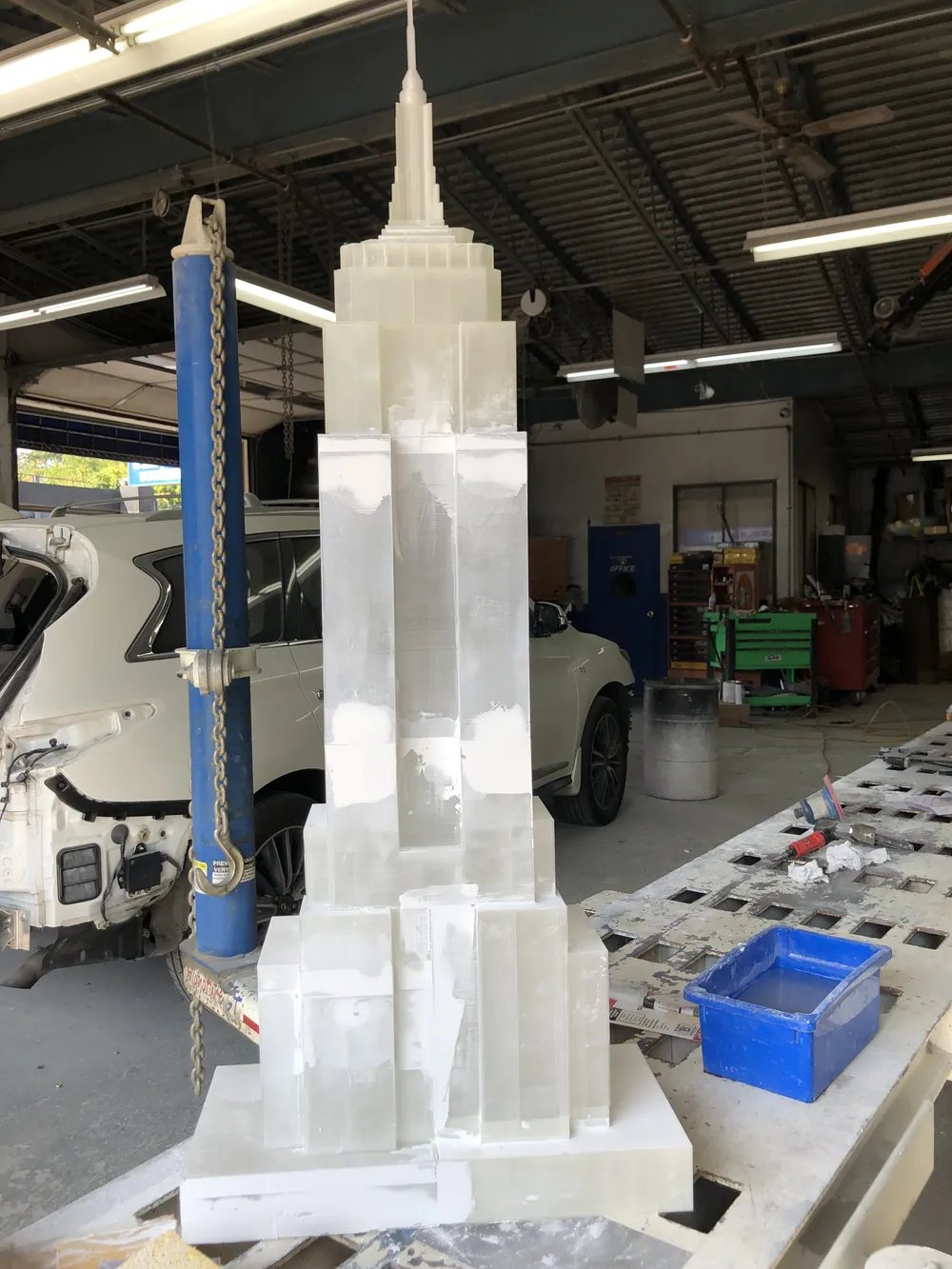
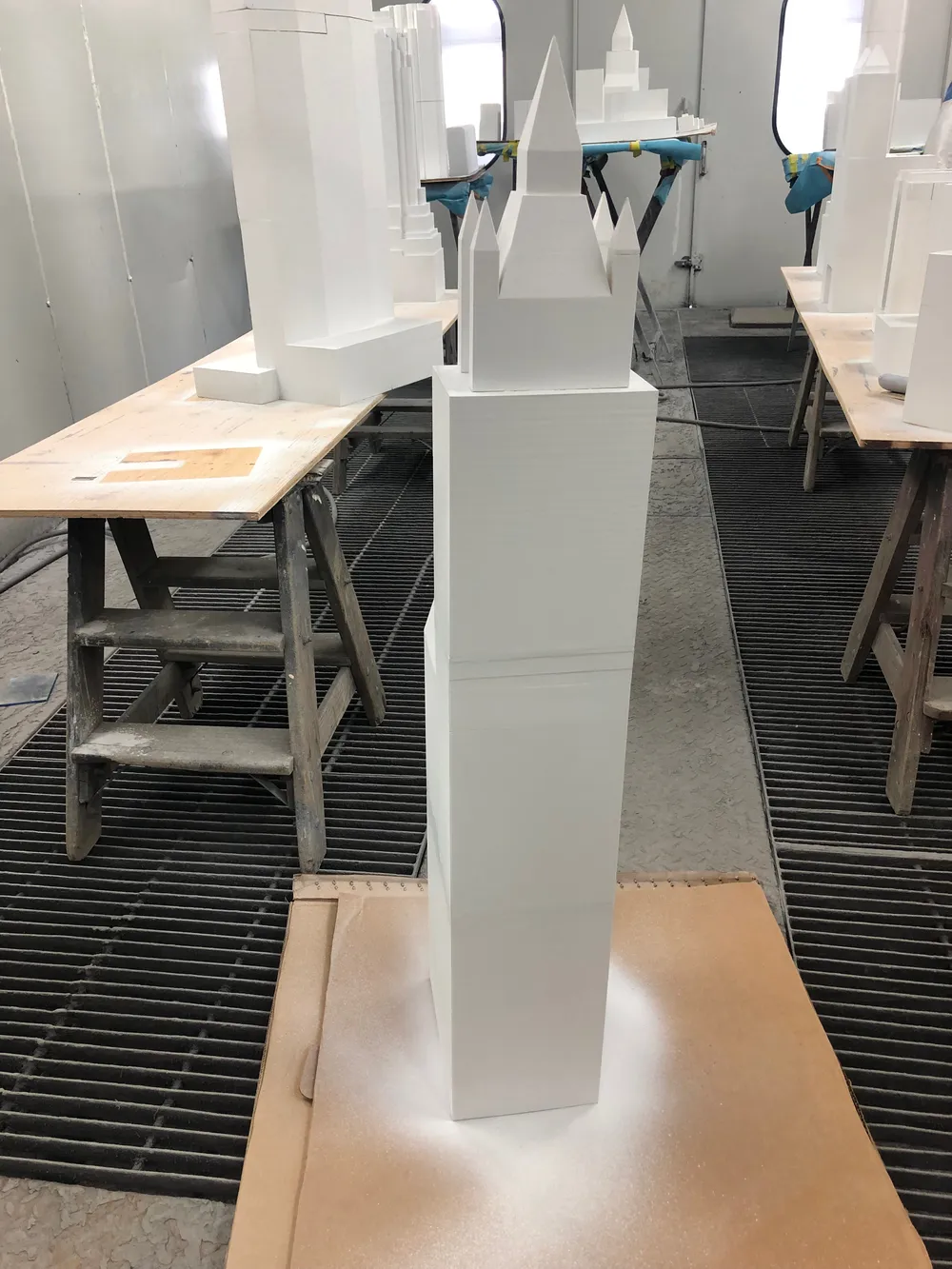
Each structure was divided into as many as ten printable sections, then assembled, glued, sanded, and prepped for a uniform white finish. When a component became a bottleneck, or a machine failure threatened the schedule, I divided the geometry again and spread it across more printers. The file was never fixed: segmentation kept adjusting around real machine capacity, failure rates, finishing time, and the closing window.
Tenure also asked for an interactive smart building with Arduino controls and LCD displays. My shop was at capacity, so I brought in a fellow maker with the right electronics background, connected him directly with the team, and kept my operation on the city. Both workstreams ran in parallel; neither became the other’s bottleneck.
Section 04 · Day 8
The body shop
With two days left, finishing became the constraint. A friend who owns an automotive body shop took in the assembled structures and sprayed them in the booth he normally uses for cars: faster and more consistent than my setup, and it let printing and painting run simultaneously.
Section 05 · Night 10
Load-in
Installed overnight, 10 p.m. to 6 a.m. Wind gusts damaged several pieces during load-in; I repaired them on site while the install continued. The city and the smart building were both ready for the show.
The project became more than a deadline. It started my relationship with Tenure, grew the operation by 20 machines, and demonstrated the system that defines my work since: evaluate the brief, find the real constraints, assemble the right tools and people, and build the path from digital concept to physical experience.
Role
Fabrication strategy · Production planning · Digital model preparation · Print segmentation · Large-format 3D printing · Fleet expansion · Team hiring and management · Specialist sourcing · Interactive-build coordination · Assembly and finishing development · Vendor coordination · Production troubleshooting · On-site repair and installation support
- 01 The ask
- 02 Going all in
- 03 The print plan that kept moving
- 04 The body shop
- 05 Load-in
no script — monitor follows chapters
Need something like this built?
Get in touch →